

Why Lofoten is unlike anywhere else in Europe
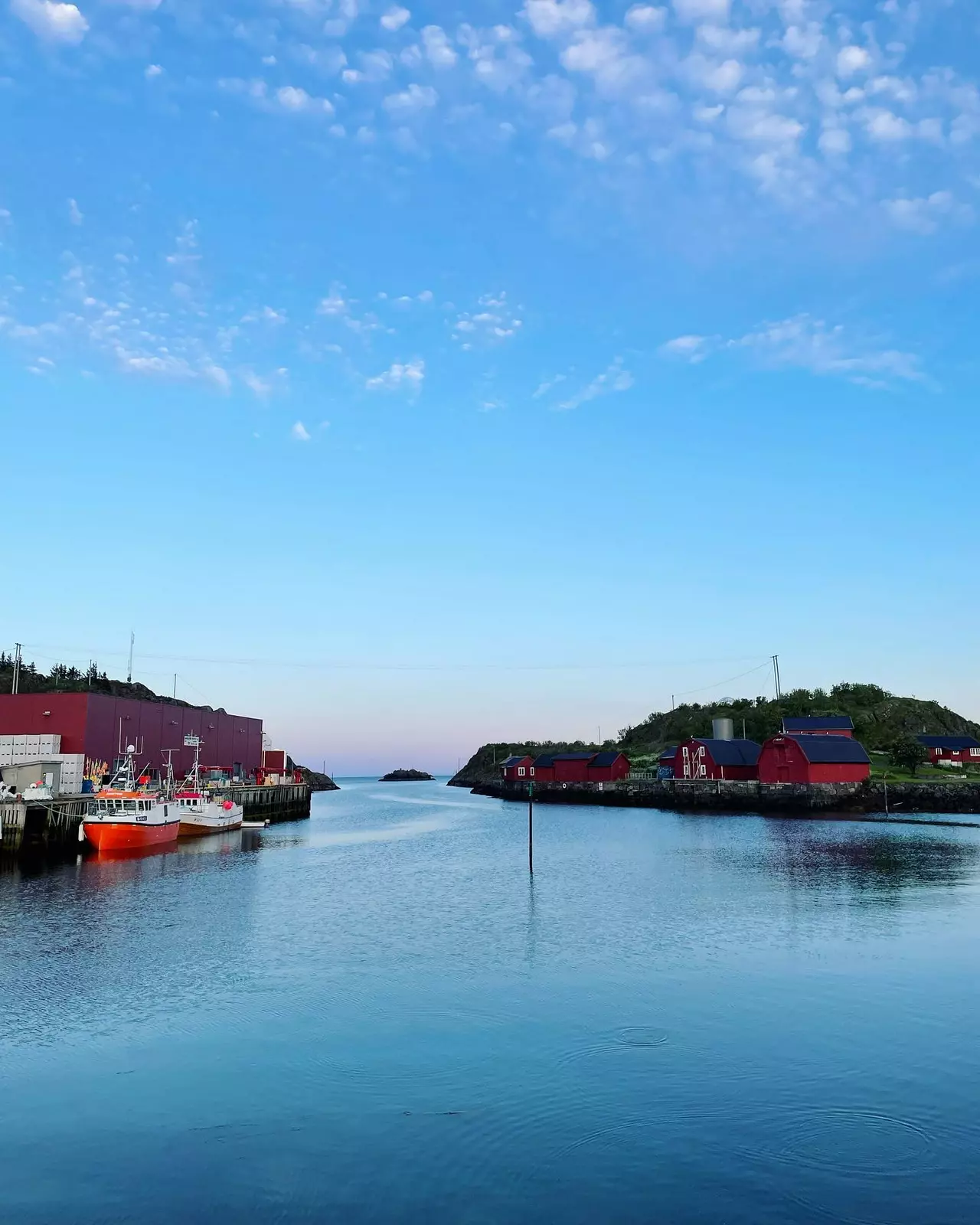
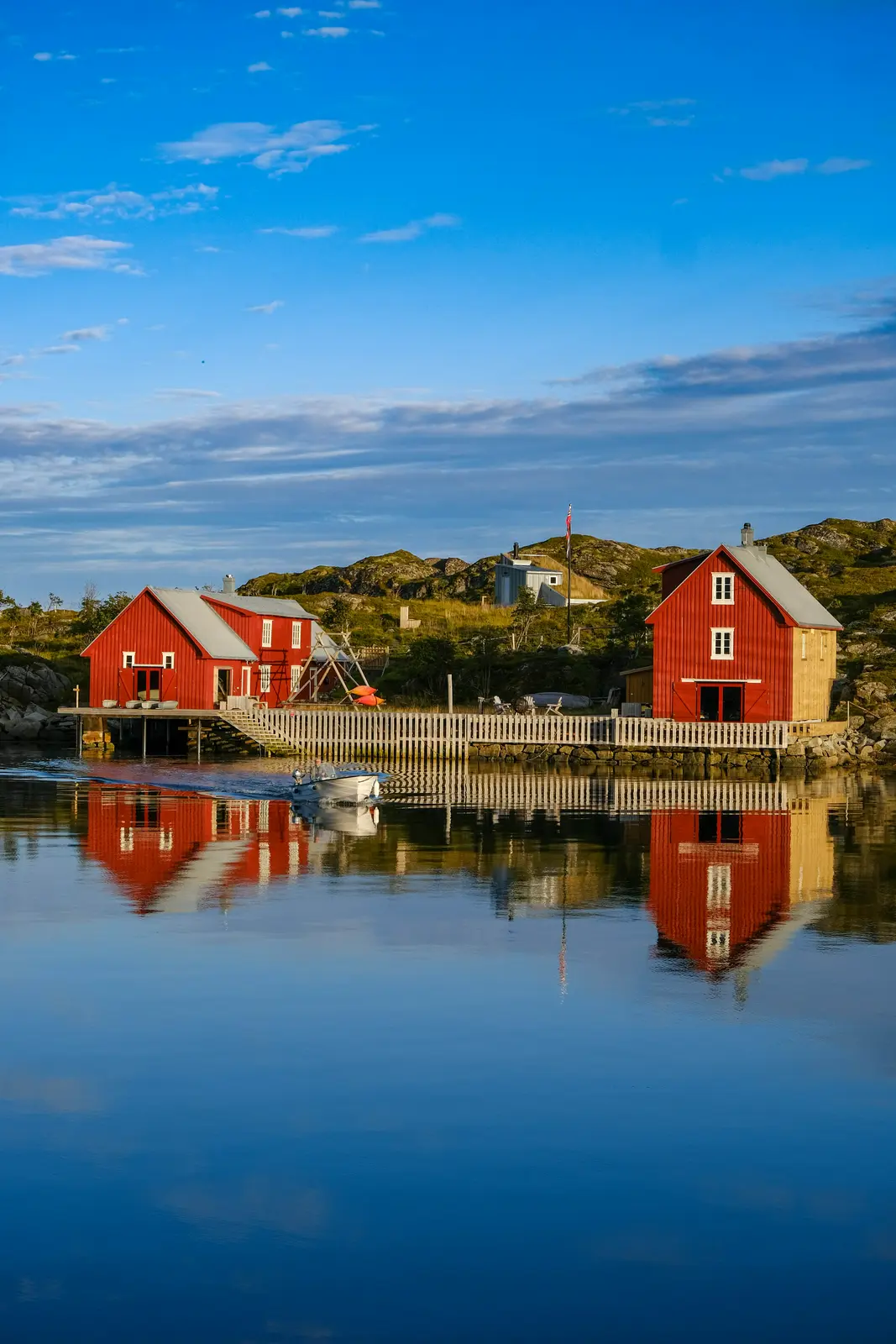
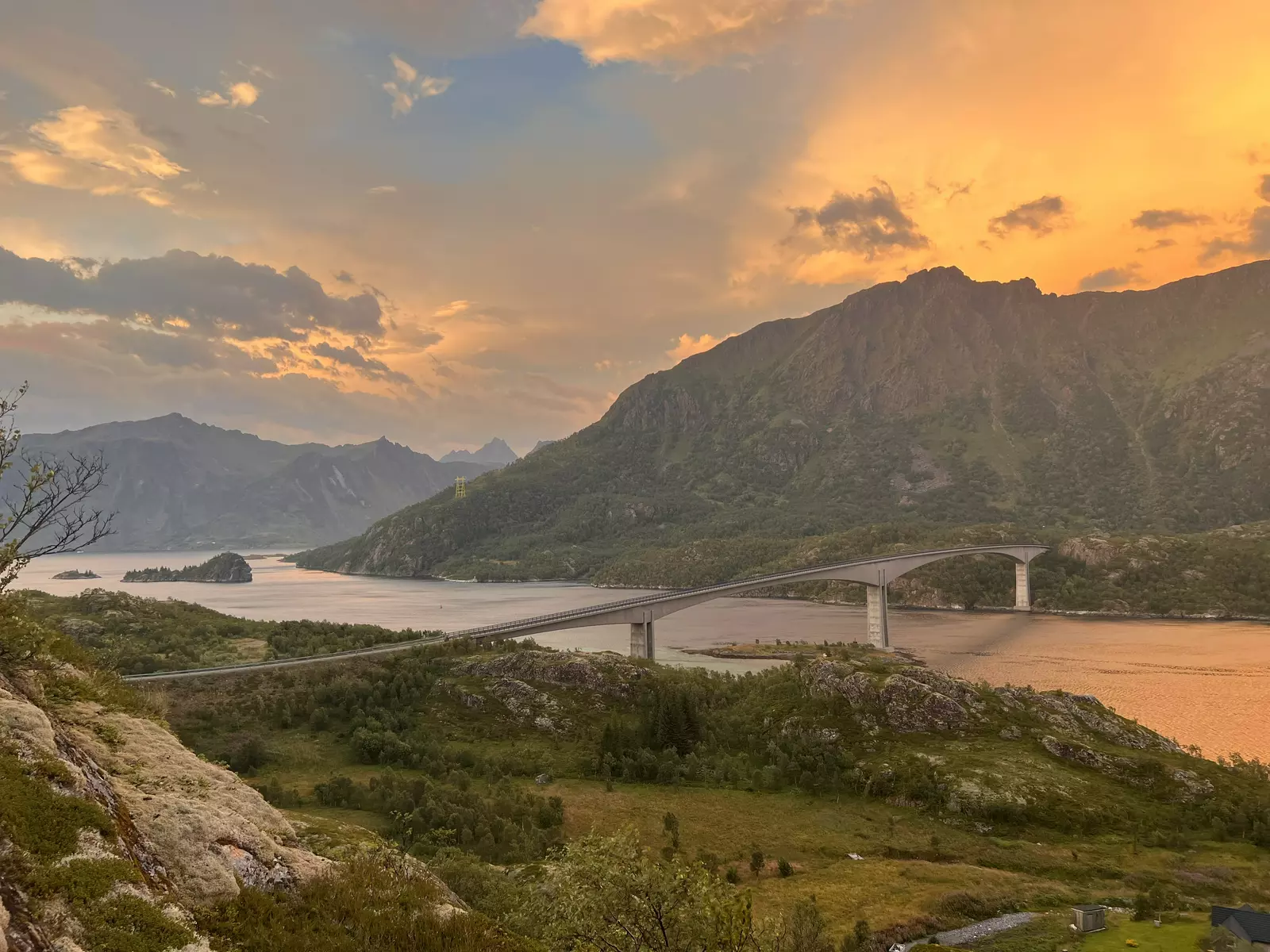
Few places on earth look like Lofoten. An archipelago stretching into the Norwegian Sea north of the Arctic Circle, it's defined by jagged mountain peaks rising straight from the water, deep fjords, and clusters of red and yellow fishing cabins called rorbuer that have dotted the coastline for centuries. The villages of Reine, Henningsvær, Svolvær and Å each have their own character, but share the same quality: a feeling of being genuinely somewhere special, even when the trail is busy.
Add extreme seasonal light – the midnight sun in summer, the aurora borealis in winter – and you have a destination that gives you something different depending on when you go.
Why Lofoten is unlike anywhere else in Europe
Few places on earth look like Lofoten. An archipelago stretching into the Norwegian Sea north of the Arctic Circle, it's defined by jagged mountain peaks rising straight from the water, deep fjords, and clusters of red and yellow fishing cabins called rorbuer that have dotted the coastline for centuries. The villages of Reine, Henningsvær, Svolvær and Å each have their own character, but share the same quality: a feeling of being genuinely somewhere special, even when the trail is busy.
Add extreme seasonal light – the midnight sun in summer, the aurora borealis in winter – and you have a destination that gives you something different depending on when you go.
When to go to Lofoten
Summer (June–August) – Midnight sun and peak season
This is Lofoten at its most popular and most spectacular. Temperatures hover between 12–18°C, the sun doesn't set from late May through mid-July, and every hiking trail, fishing village and café is buzzing with life. Book well in advance – the best places fill up months ahead.
Winter (November–March) – Northern Lights and snowcapped silence
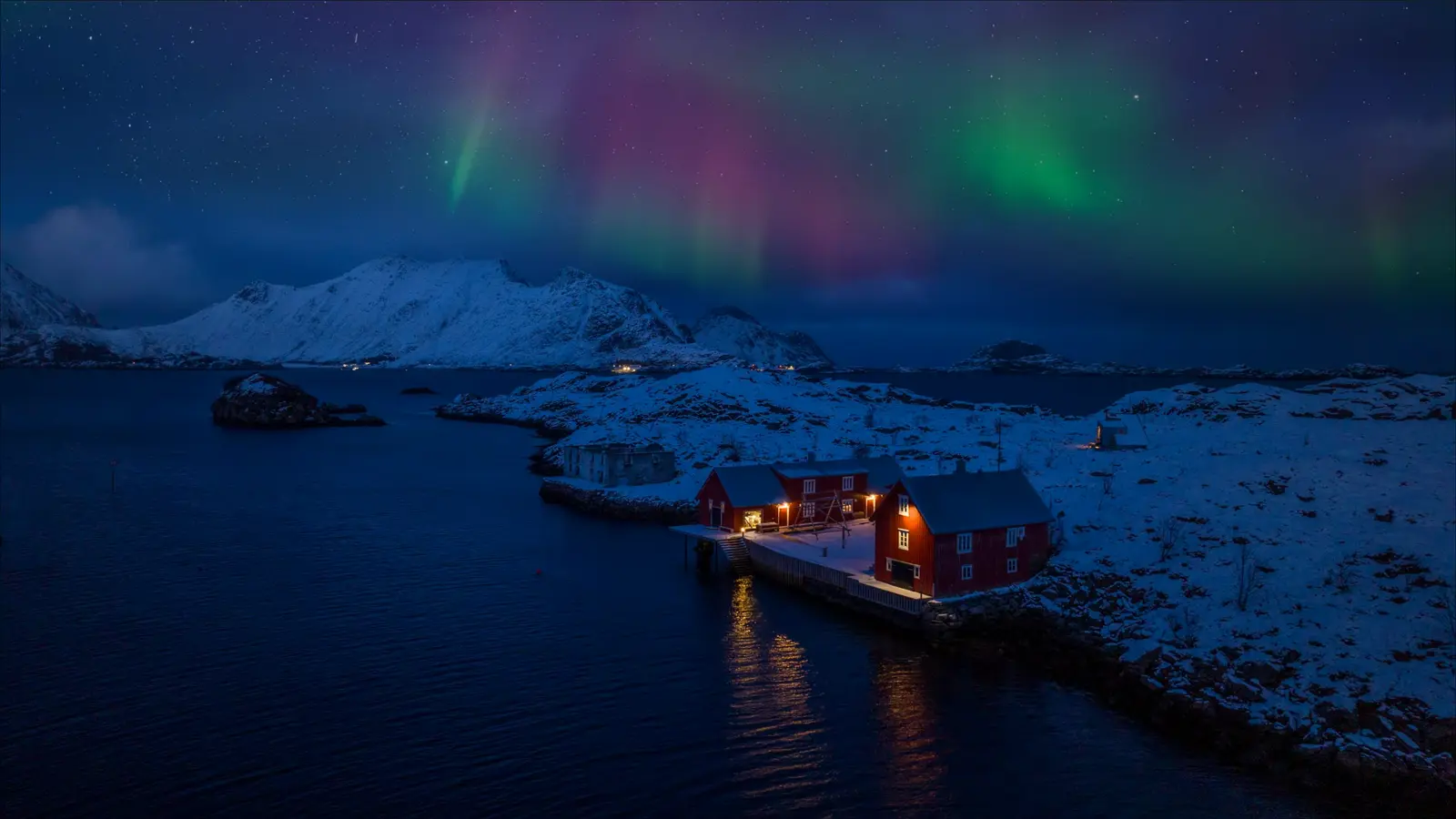
Winter Lofoten is a completely different experience. The islands go quiet, the mountains turn white, and on clear nights the Northern Lights move across the sky above the fjords. Temperatures can drop to -10°C so please remember to pack layers, but the atmosphere is unlike anywhere else in Europe. Fewer crowds, sharper light, and the aurora if you're lucky 🌌
Spring and Autumn | The underrated sweet spot
May and September are Lofoten's best-kept secrets. The landscape is dramatic, the light is golden, the crowds are thinner and accommodation is easier to find. May brings the first warmth and wildflowers. September turns the hillsides deep orange and red.
Where to stay in Lofoten
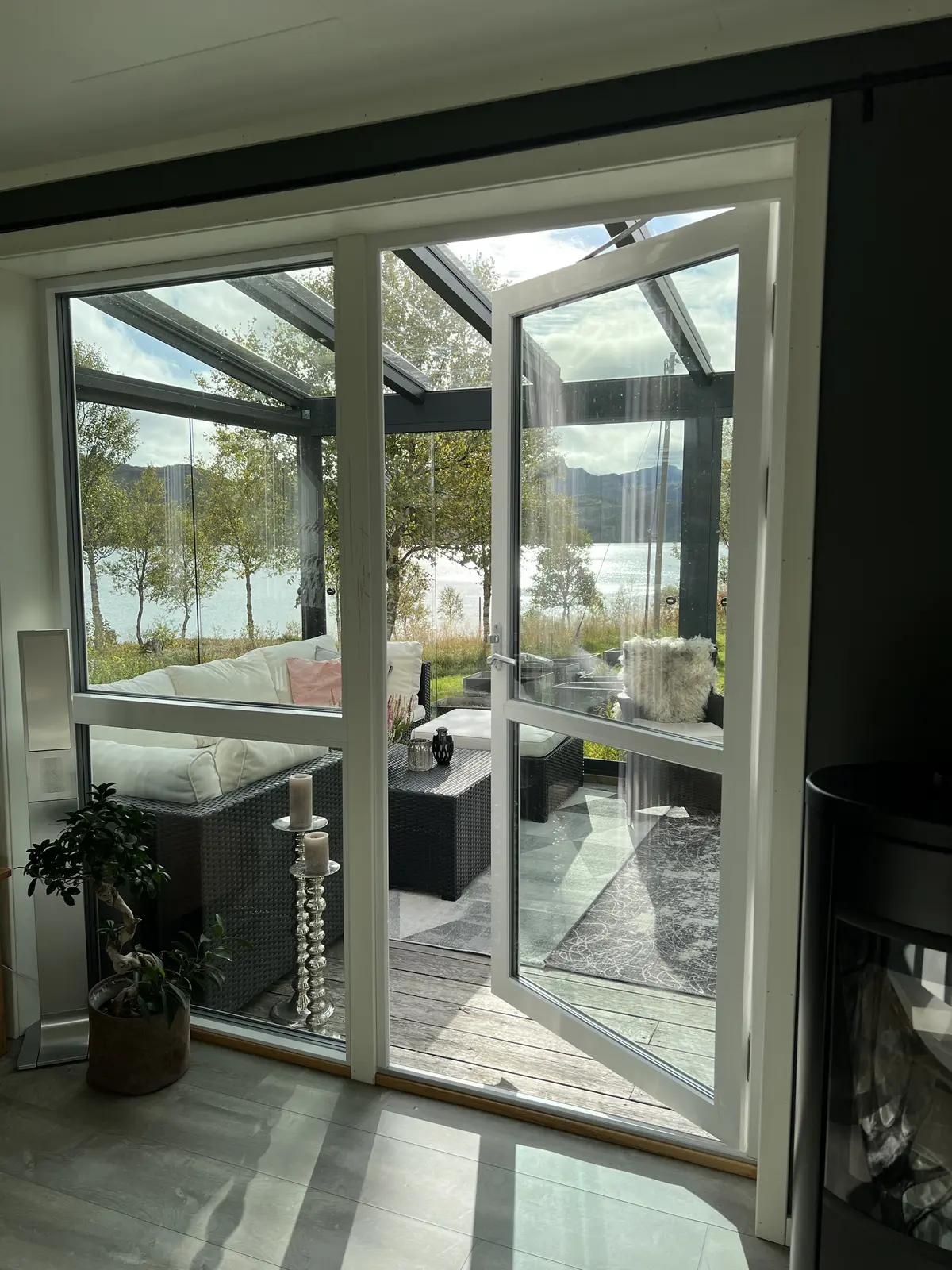
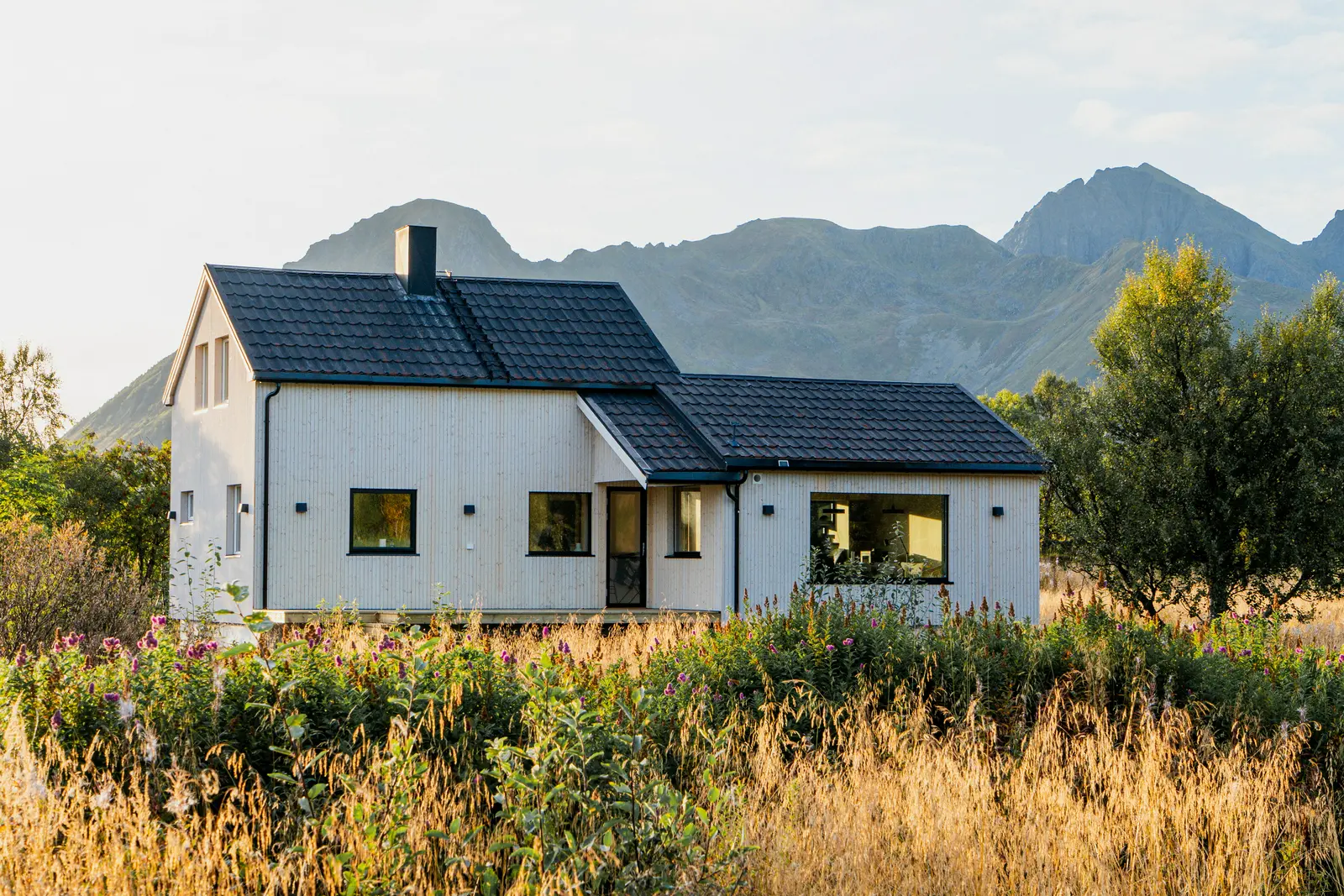
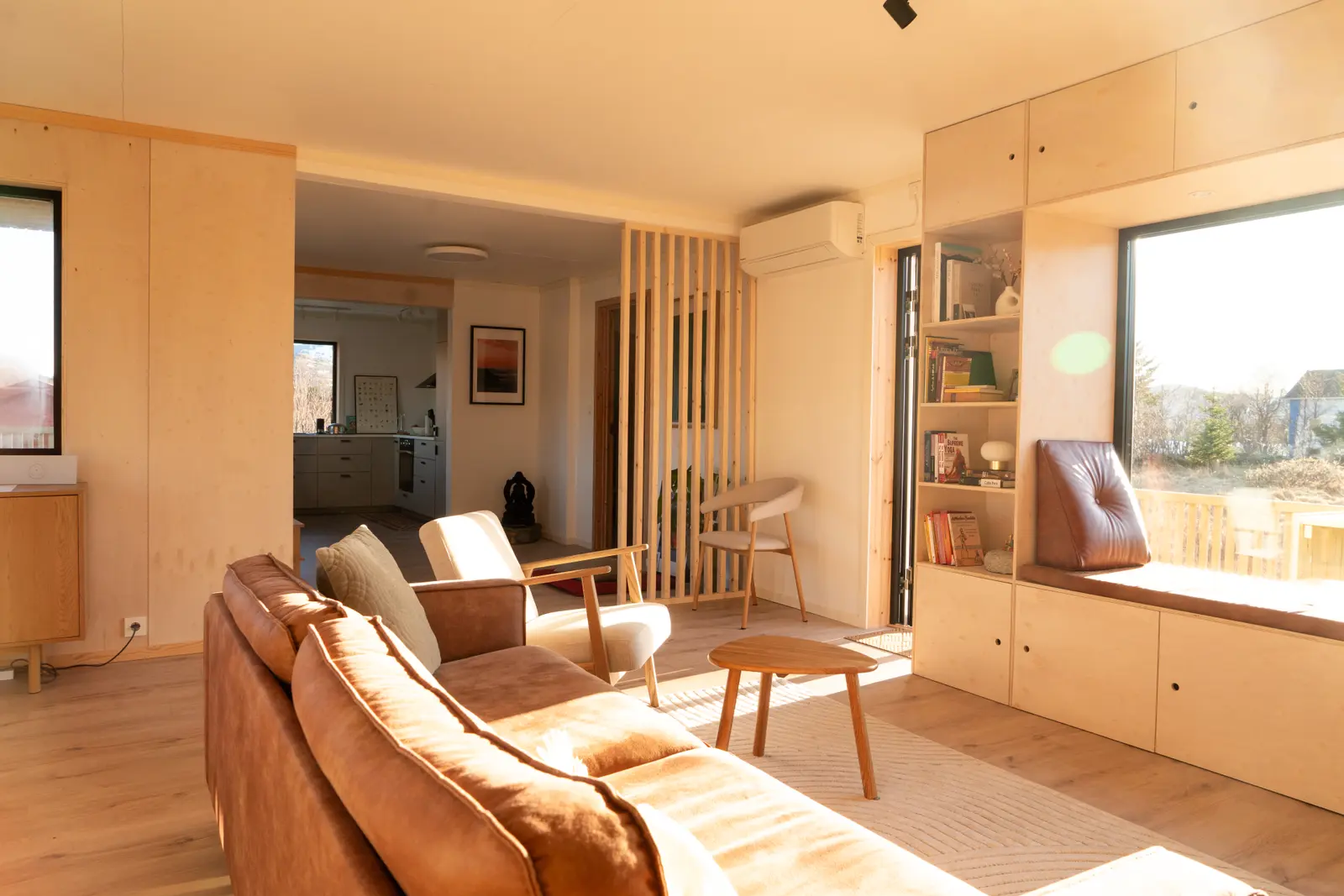
Lofoten has some of the most distinctive places to sleep in Scandinavia. Traditional rorbuer – fishermen's cabins built on stilts over the water – are the iconic choice, but that's just the start. Think converted boathouses, remote cabins with mountain views, off-grid hideaways deep in the valleys, and waterfront stays where you fall asleep to the sound of the sea. Many hosts have lived here their whole lives and know every corner of the islands. That local knowledge is part of what you're booking.

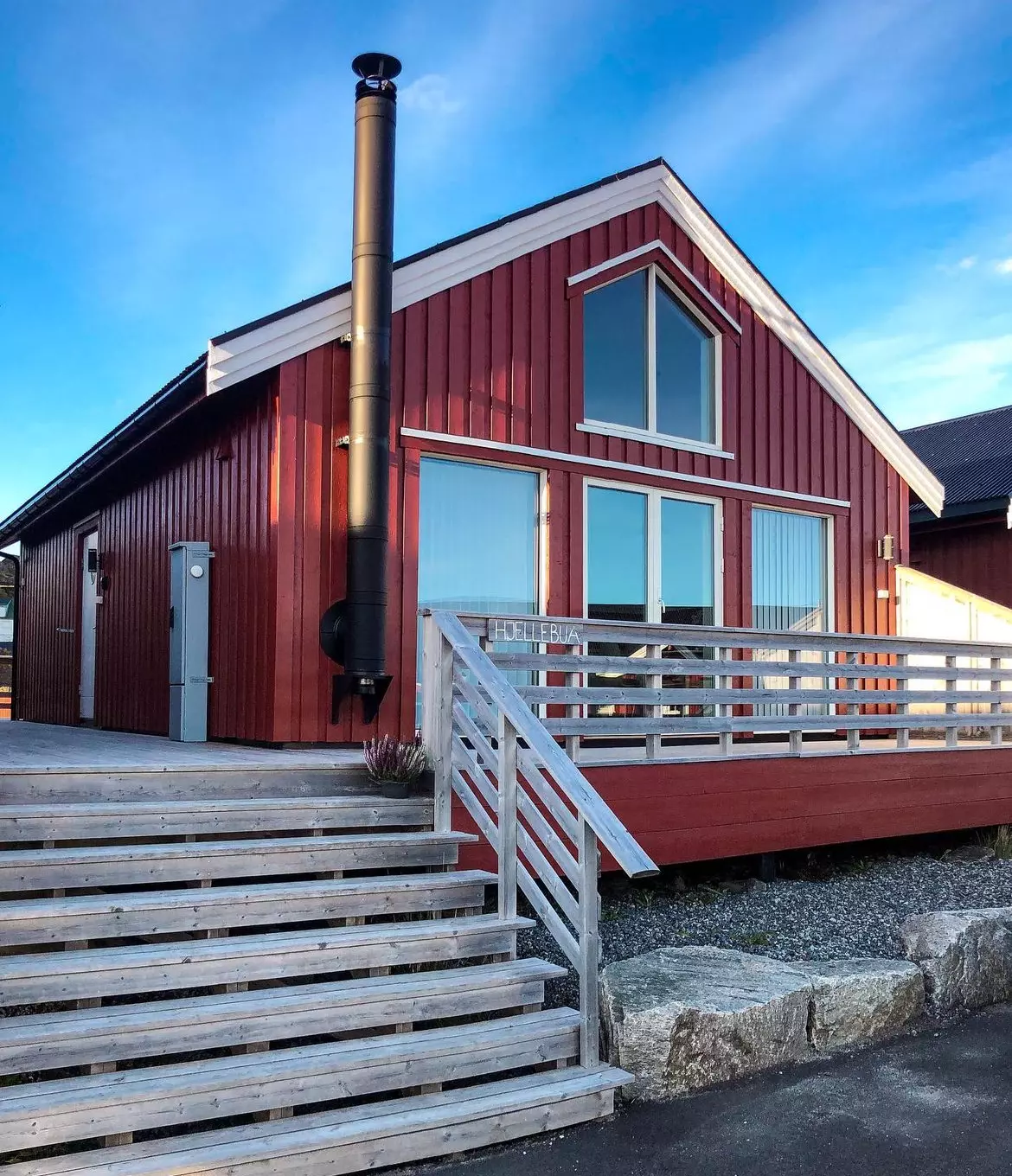
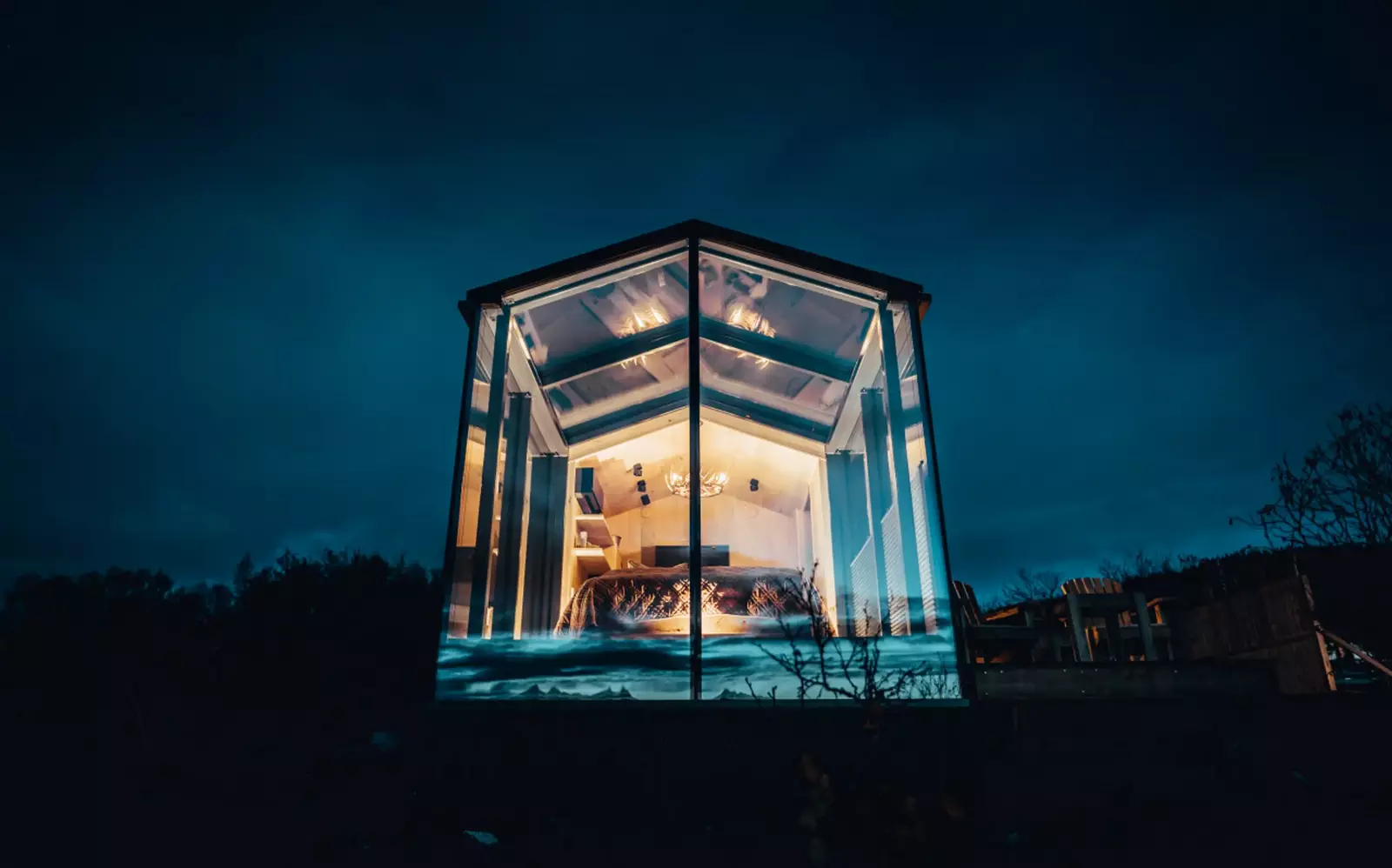
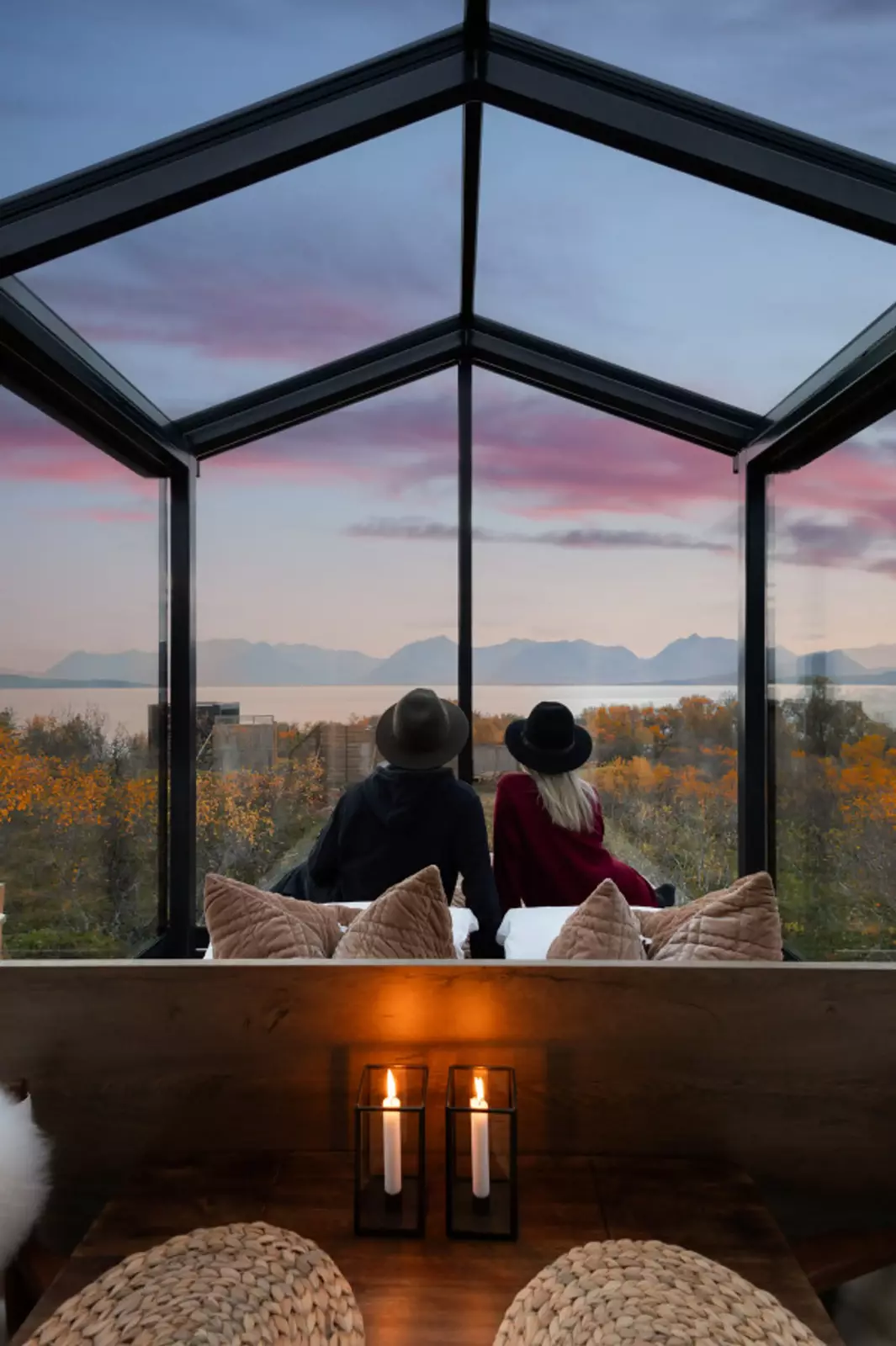
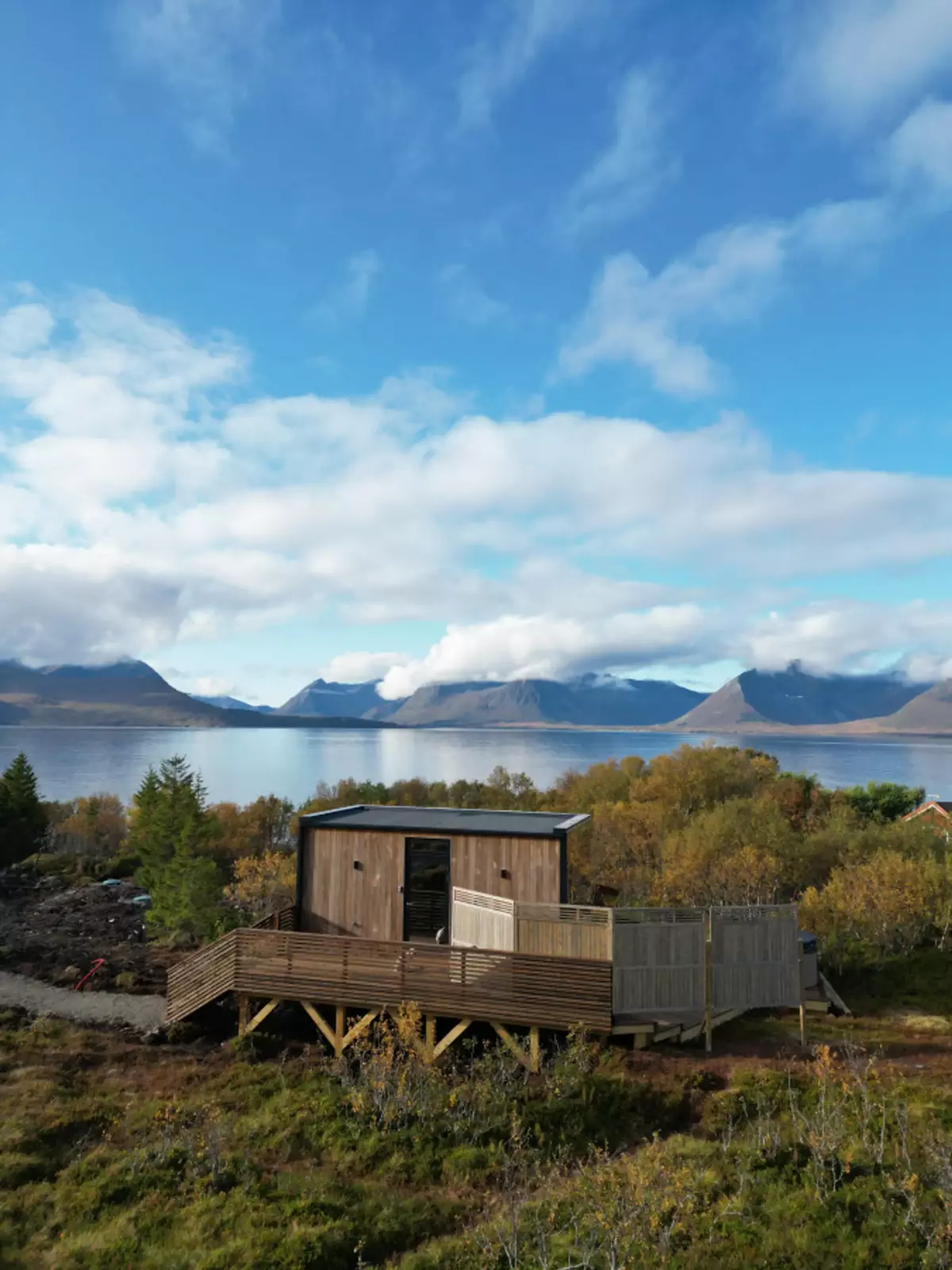
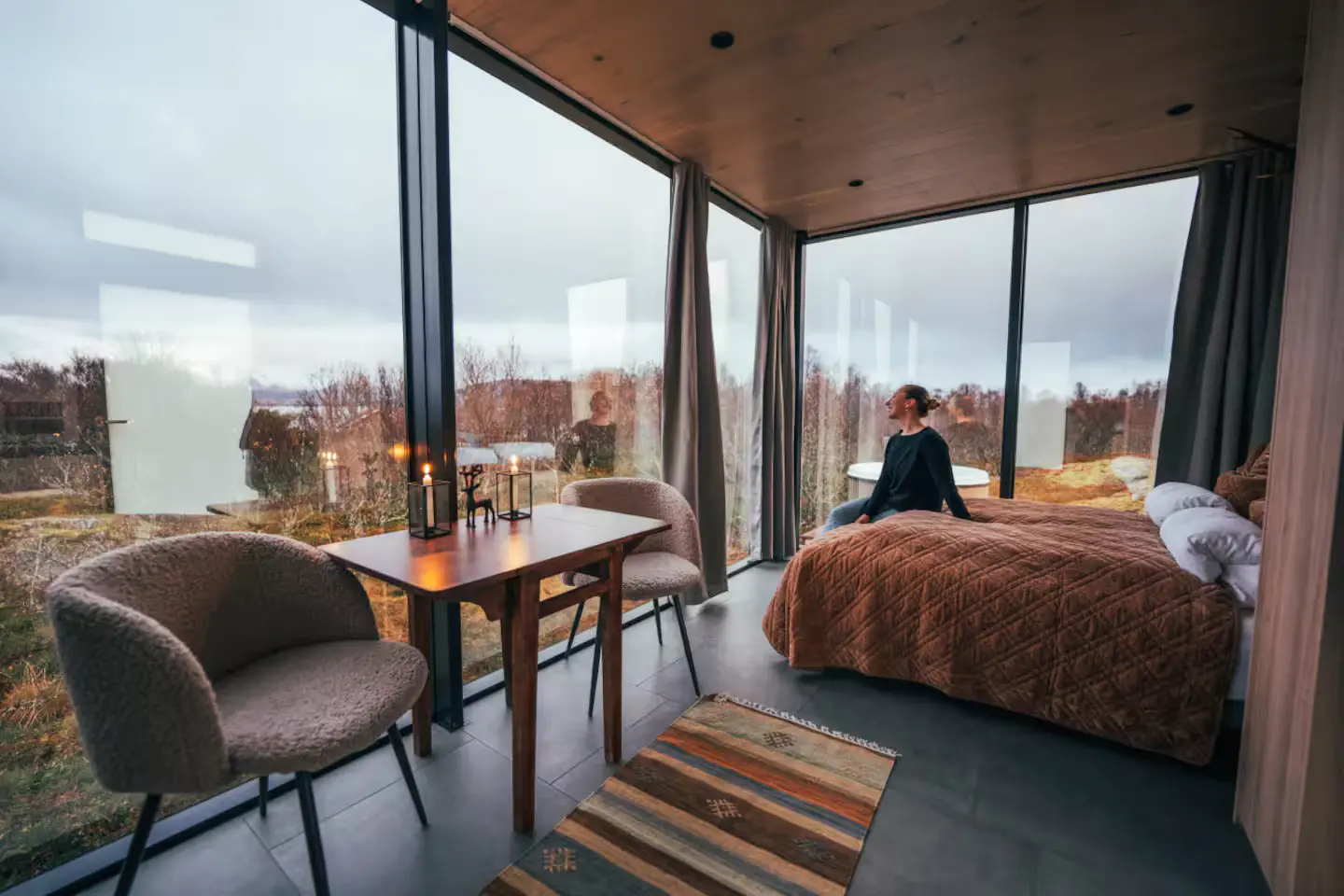
Hytte i hjertet av Lofoten
Stamsund, Norway
6 guests

(19. – 20. June)



The best hikes in Lofoten
Reinebringen is the one most people have seen in photos – a ridge above the village of Reine with a panoramic view across red cabins and fjord below. It's wooden steps most of the way, then a short scramble, and well worth the effort. Go early to beat the crowds.
Ryten (543m) is less famous but many locals consider it the more rewarding hike. The summit gives you a view of the sweeping Kvalvika beach far below – one of those perspectives that earns its reputation.
Svolværgeita – the two-pointed summit towering above Svolvær – is the most technically demanding and the most dramatic of the three.
The best hikes in Lofoten
Reinebringen is the one most people have seen in photos – a ridge above the village of Reine with a panoramic view across red cabins and fjord below. It's wooden steps most of the way, then a short scramble, and well worth the effort. Go early to beat the crowds.
Ryten (543m) is less famous but many locals consider it the more rewarding hike. The summit gives you a view of the sweeping Kvalvika beach far below – one of those perspectives that earns its reputation.
Svolværgeita – the two-pointed summit towering above Svolvær – is the most technically demanding and the most dramatic of the three.

Things to do beyond hiking
Surfing at Unstad. It's the Arctic's most famous surf beach, kept alive year-round by the Gulf Stream. Rental gear is available on site.
Sea eagle safari by kayak. White-tailed eagles are everywhere on Lofoten. Getting close to one from a kayak is the kind of experience that's hard to describe afterwards.
Lofotr Viking Museum. Based in Borg, this is the largest Viking longhouse ever found anywhere in the world. Genuinely impressive, and more interactive than you'd expect.
Fishing. Whether with a host or renting a small boat yourself, catching your own dinner is one of the most satisfying things you can do here.
Things to do beyond hiking
Surfing at Unstad. It's the Arctic's most famous surf beach, kept alive year-round by the Gulf Stream. Rental gear is available on site.
Sea eagle safari by kayak. White-tailed eagles are everywhere on Lofoten. Getting close to one from a kayak is the kind of experience that's hard to describe afterwards.
Lofotr Viking Museum. Based in Borg, this is the largest Viking longhouse ever found anywhere in the world. Genuinely impressive, and more interactive than you'd expect.
Fishing. Whether with a host or renting a small boat yourself, catching your own dinner is one of the most satisfying things you can do here.

Practical tips before you go
Book early. Summer, especially July, books out months in advance. If you want a rorbu with water views, start in February.
Pack for all weather. Even in August, the wind off the Norwegian Sea is real. A windproof layer and solid shoes are non-negotiable.
Drive slowly on the E10. Reindeer, sheep and sea eagles appear on the road without warning.
Go beyond Reine. Henningsvær, Nusfjord and the small village of Å at the southern tip are all worth the detour.
Eat the stockfish. Tørrfisk has been made here for over a thousand years. Don't leave without trying it.
Practical tips before you go
Book early. Summer, especially July, books out months in advance. If you want a rorbu with water views, start in February.
Pack for all weather. Even in August, the wind off the Norwegian Sea is real. A windproof layer and solid shoes are non-negotiable.
Drive slowly on the E10. Reindeer, sheep and sea eagles appear on the road without warning.
Go beyond Reine. Henningsvær, Nusfjord and the small village of Å at the southern tip are all worth the detour.
Eat the stockfish. Tørrfisk has been made here for over a thousand years. Don't leave without trying it.


