
Glass igloos, cabins and mirror cabins: six unique stays across Scandinavia where you can watch the Aurora Borealis dance above you.

Dreaming of watching the Aurora Borealis dance across the sky from somewhere memorable? Below are six of the most unique stays across Scandinavia, each one built around the sky show above it, from a glass igloo to a mirrored cabin in the Arctic.
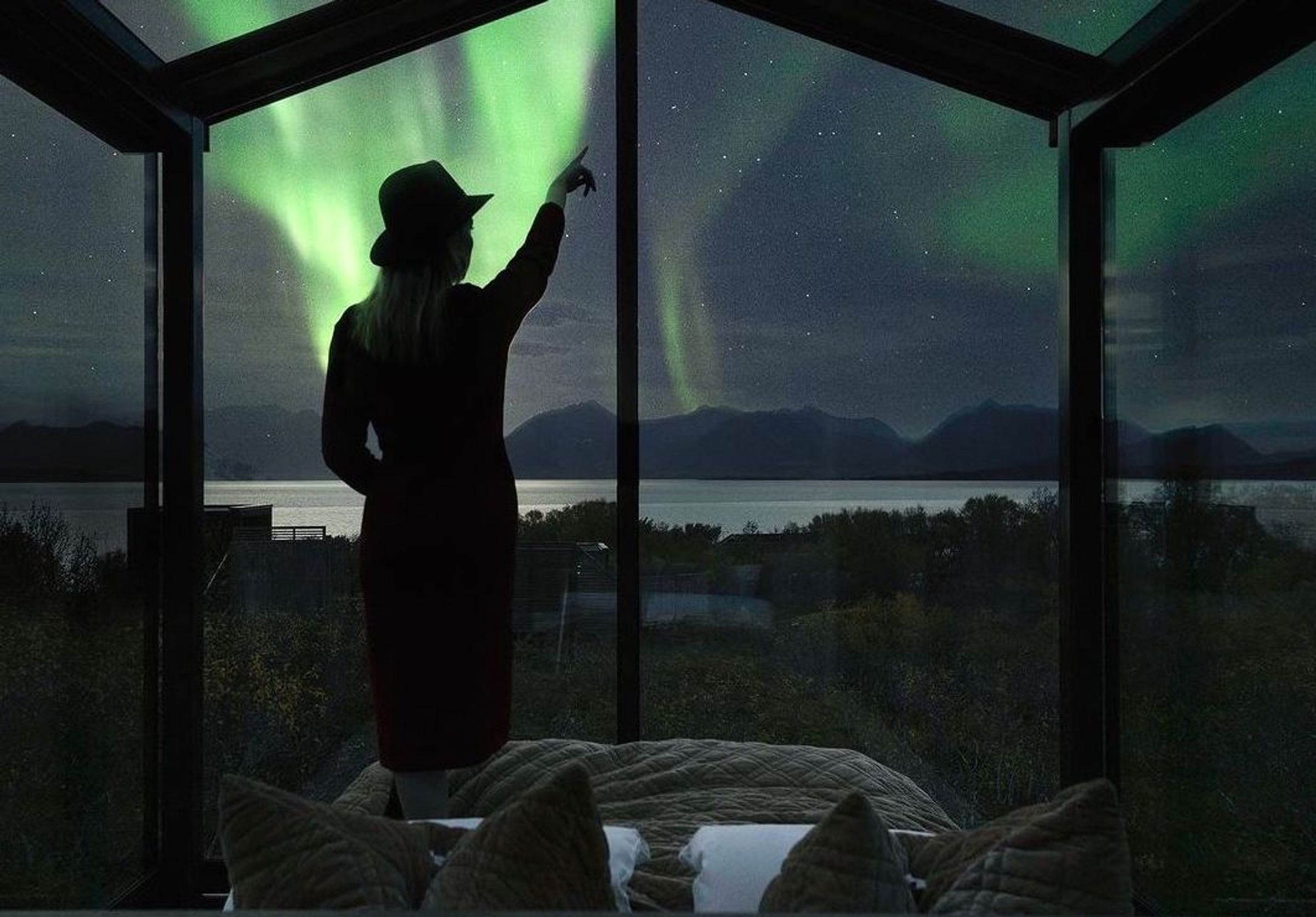
Just outside Harstad, this tiny house offers more than a roof over your head, it has a stargazing roof window right above the bed, with a 360-degree mountain panorama around it. What sets it apart is the solitude that comes with it. A private jacuzzi on the terrace covers the cold nights, and if you drive an electric vehicle, charging is free.
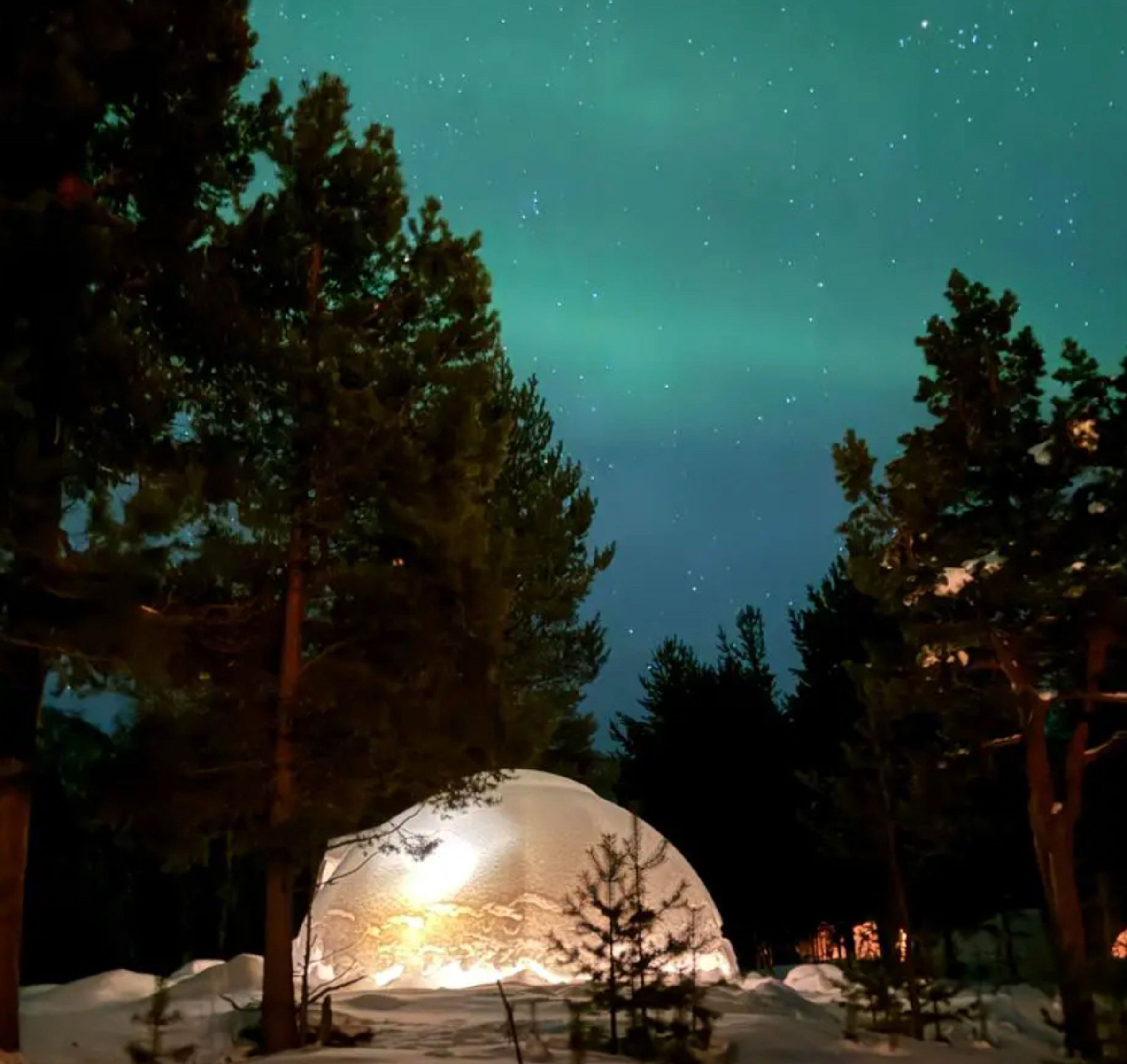
The lodge offers a unique blend of luxury, comfort, and immersion in nature, making it ideal for travellers seeking tranquillity and memorable Northern experiences. This is the perfect place to experience the Dark Sky and Northern Lights in their full glory. With no nearby roads or neighbours and an absence of light pollution, guests can immerse themselves in uninterrupted natural beauty and peaceful surroundings.
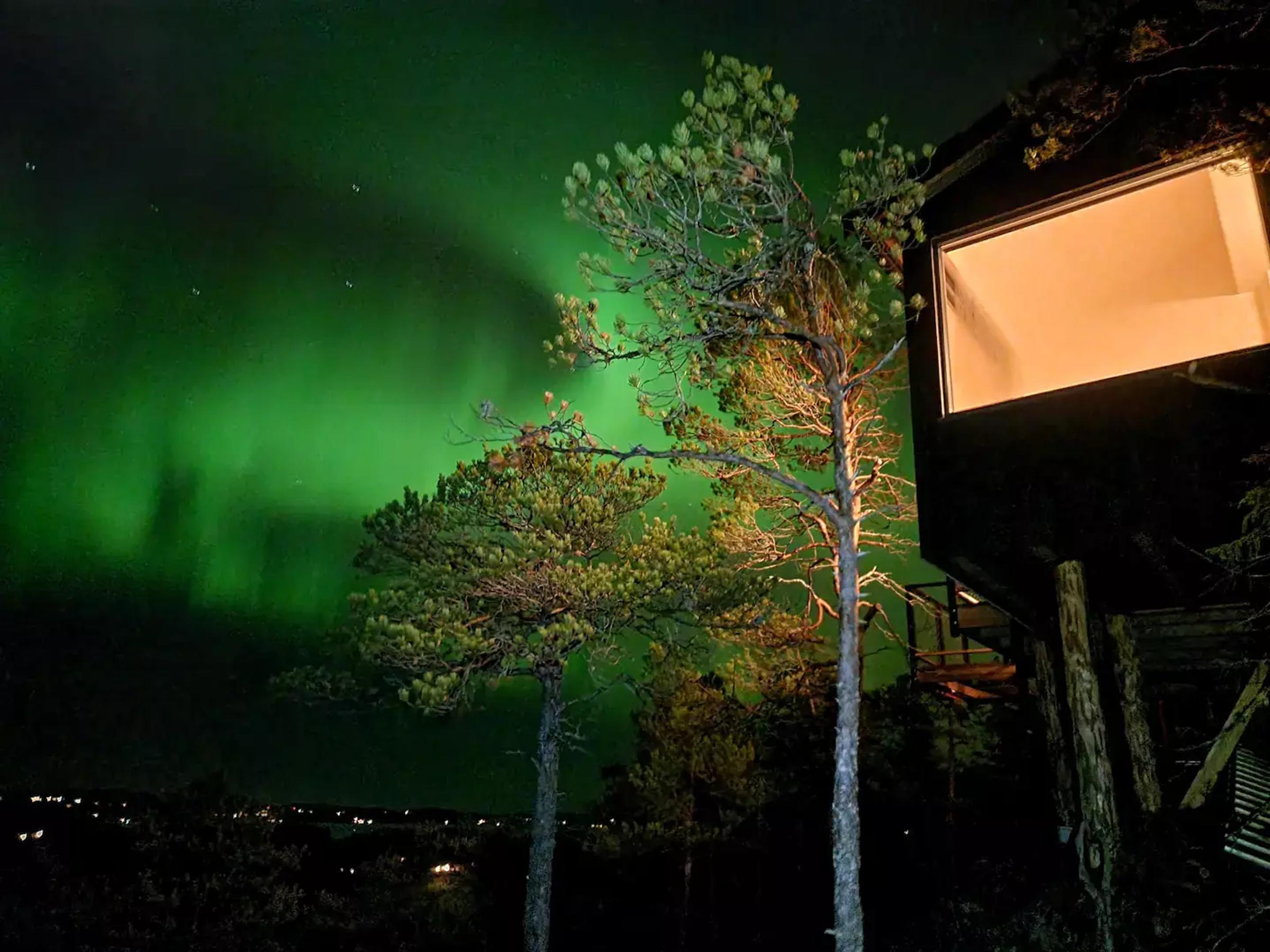
Perched on a rock north of Trondheim, this treehouse gives you a panoramic view of both the Byavatnet lake and the Trondheimsfjord. Grill on the terrace fire pit or read a book in the built-in hammock. With minimal light pollution and a sky-view loft, your odds of catching the lights are surprisingly good, even this far south. Look north when the sky is clear and the forecast is high.
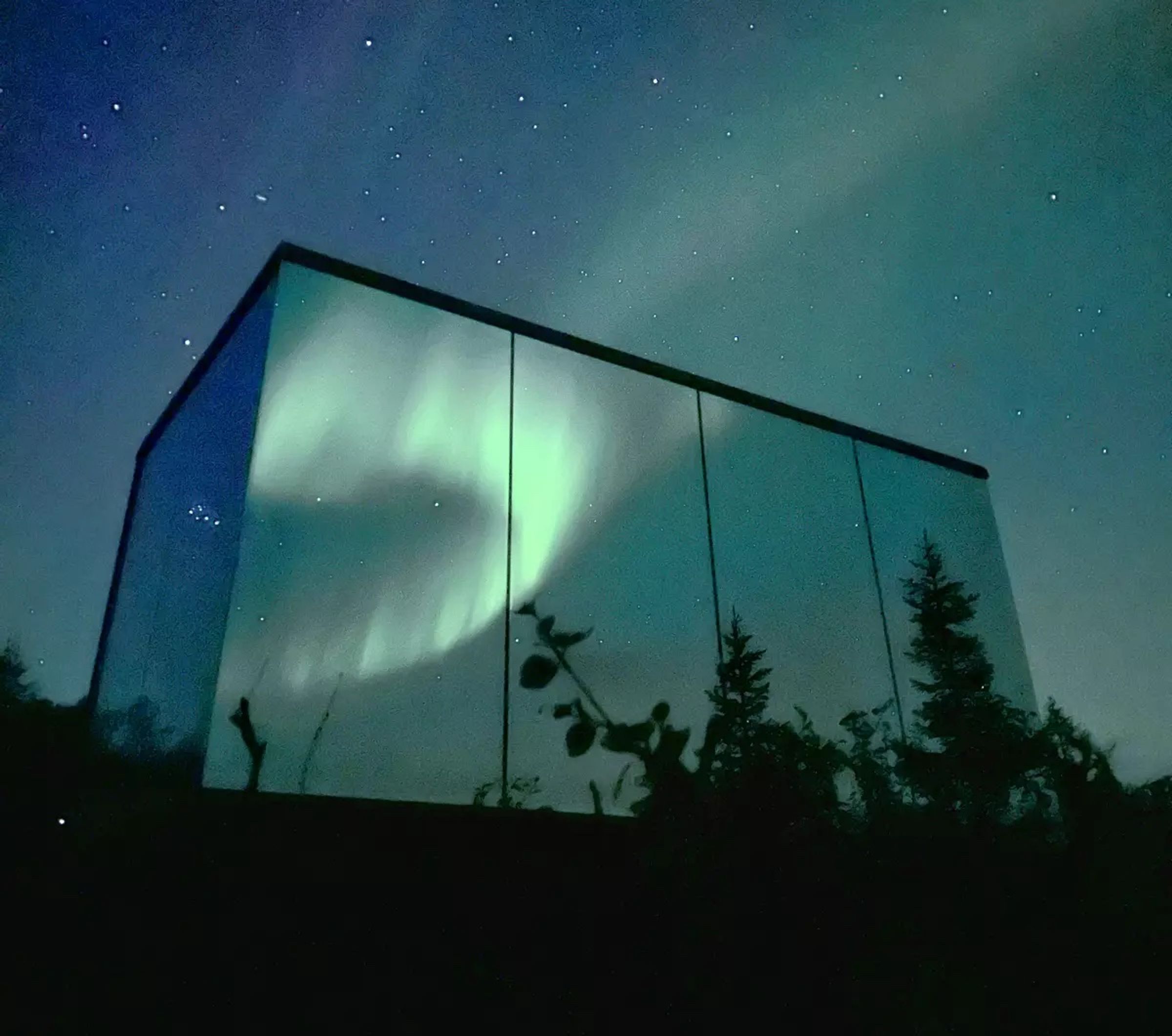
This arctic cabin is clad in mirrored glass, reflecting the landscape around it, until the aurora comes out and casts its glow across the mountains instead. Watch it from your bed, or step out to the private terrace jacuzzi for the full experience. Electric vehicle charging is included too.
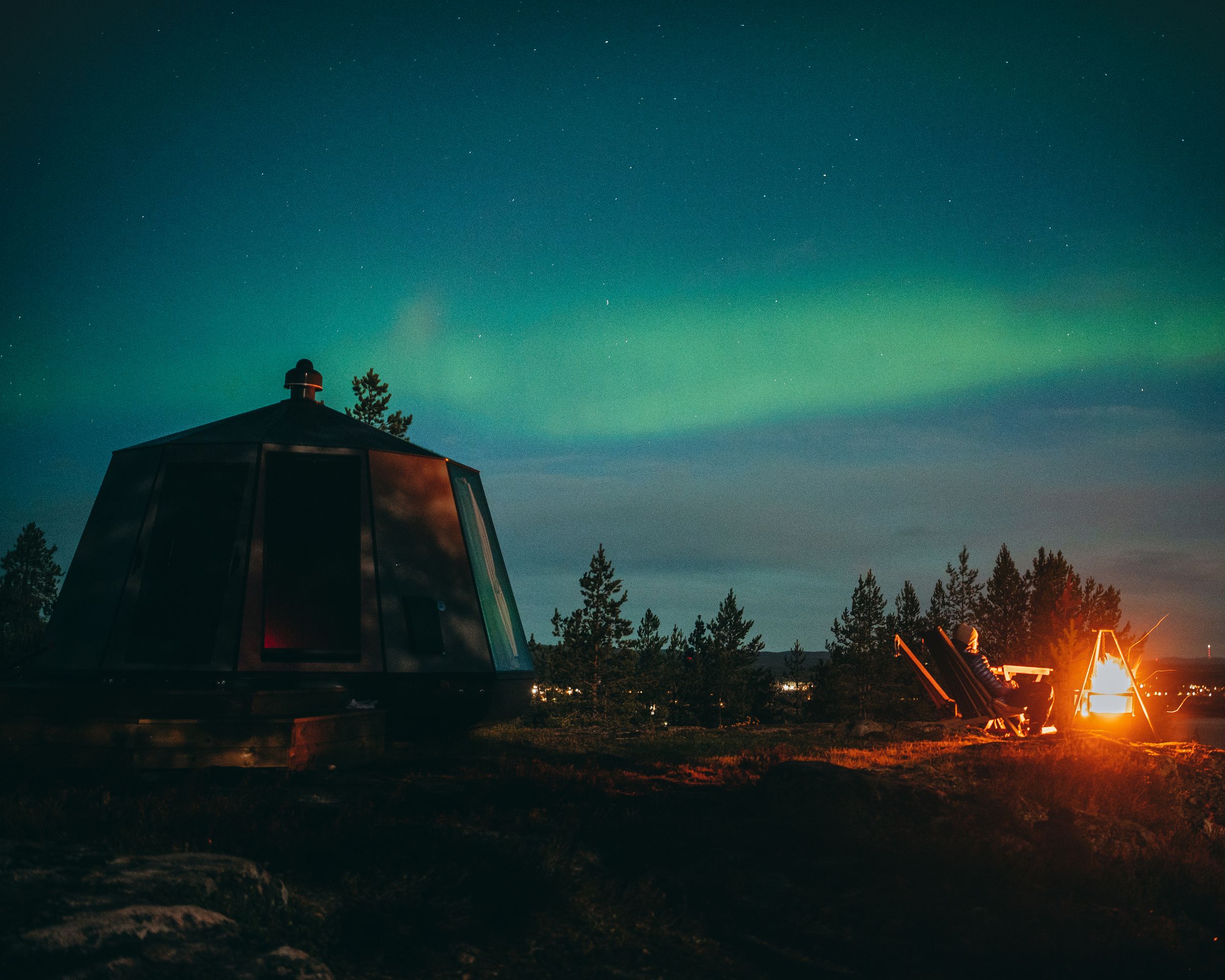
Set on top of a ski slope in Piteå, this geodesic dome gives you an off-the-grid aurora encounter, with no neighbours and no distractions. A panoramic window, a private wood-burning sauna, and the northern lights through your skylight. Private transfers from the parking area to the retreat make the whole stay feel effortless.
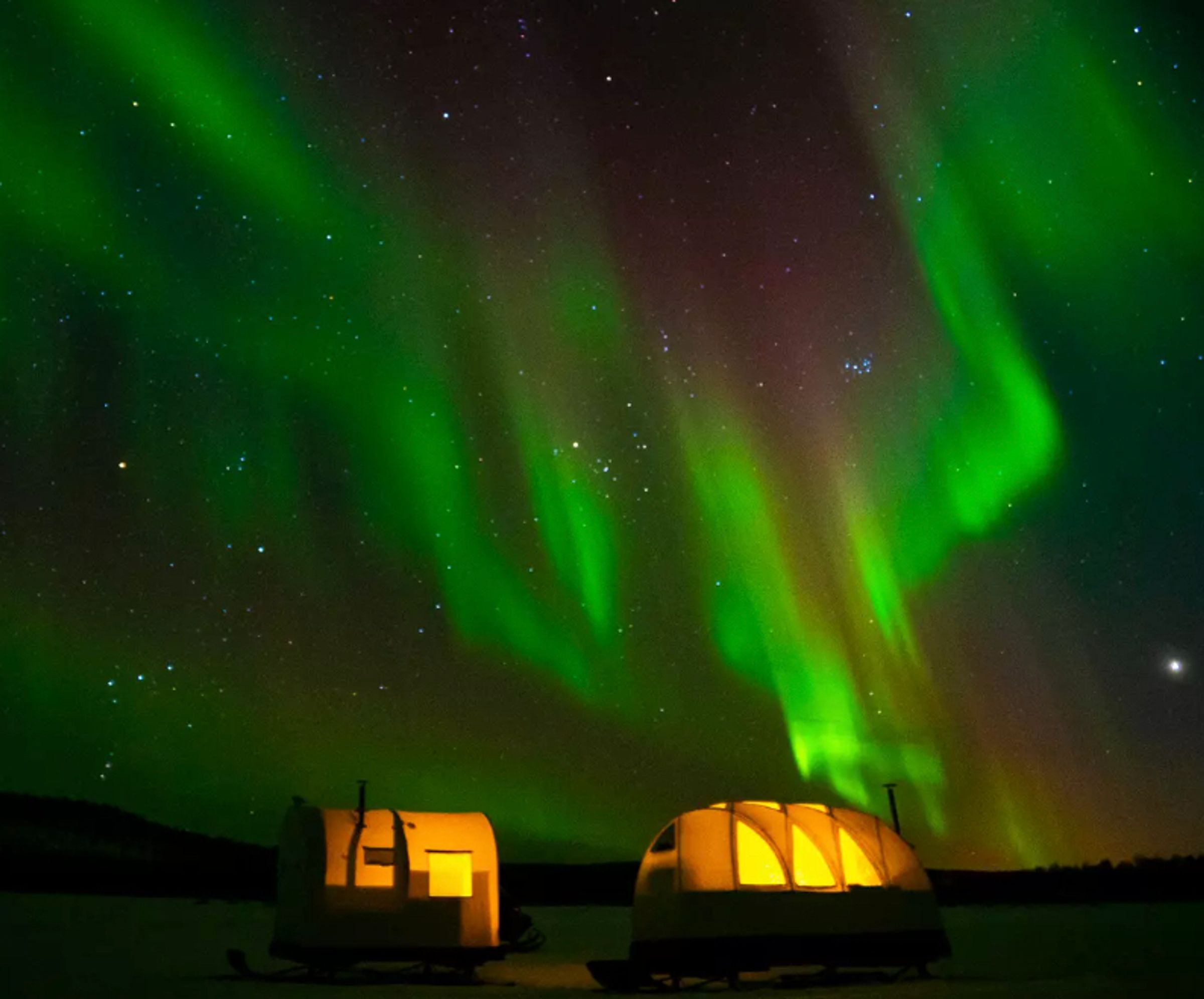
Welcome to Aurora Sled. The host pick you up in the center of Karasjok, they can also pick up guests at the airport for an additional fee. When you go get to the Snowmobile, they use a comfortable sled with reindeer skin that will transport you to where the sled is.
Choosing the right stay is half the battle. Here is how to actually improve your odds once you are there:
Gear up and be patient: The magic happens outdoors, and it is a game of patience. Thermal layers, sturdy boots, an insulated hat and gloves, and a thermos of hot cocoa make the wait a lot more bearable.
Give your eyes time to adapt: Give it 10 to 15 minutes in the dark before you judge the sky. The colours pop far more once your eyes have adjusted.
Check the Kp-index and the forecast: Clear skies and high geomagnetic activity are what you are after. Apps like My Aurora Forecast will notify you when activity picks up near your location.
The further north, the better your odds: Northern Scandinavia, roughly from Lofoten up to the North Cape, sits in the planet's auroral zone and sees the most frequent sightings.
Aim for March or October: The equinox months have the highest frequency of aurora activity, more stable weather, and fewer crowds than peak winter.
Manage your expectations: Long-exposure photos pick up colours the naked eye will not quite catch. It is still one of the most beautiful things you will see in person, just don't expect it to look exactly like the photo.
The northern lights, or Aurora Borealis, are a natural light display caused by particles from the sun colliding with the Earth's atmosphere, most visible in the night sky at high latitudes.
Thermal clothing, sturdy boots, a camera with manual settings and a tripod, a portable charger, and something warm to drink. A telescope or binoculars are a nice bonus for a closer look.
Cloud cover and light pollution matter most. Beyond that, the stay itself makes a difference: panoramic views, dome-shaped roofs with clear ceilings, and private terraces all improve your chances of a good sighting.
Northern Scandinavia sees the most activity, generally visible from late September to late March, most often between 11pm and 2am local time.
Winter fishing, hiking, skiing and dog sledding are all common add-ons in these regions. Many hosts can point you toward the best local activities directly.
Whether or not the sky puts on a show the night you are there, a stay like these is memorable on its own. The lights are simply the bonus that makes it unforgettable.
Best, Magnus 🏕️👋

What is glamping, what does it cost, and who is it for? Everything you need to know, from someone who has run glamping stays since 2018.

What is a glamping tent? Here I cover the main tent types, what facilities to expect, and how a glamping tent differs from a regular tent.

From Norwegian cabins to glass igloos under the northern lights, discover Scandinavia's most unique places to stay.

What sets a handpicked cabin apart from a generic vacation rental? Get our guide to Norwegian cabin culture, season by season.

Stay in a glass cabin or mirror cabin, with nature as your nearest neighbour.

Slow down, reconnect, and escape together in a handpicked romantic cabin, dome, or mirror house across Scandinavia.
